
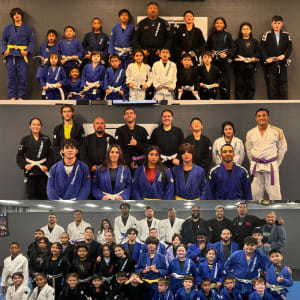
A disciplined kids BJJ program isn’t “better” because it’s harsh — it’s better because structure is what actually helps kids grow, stay safe, and build confidence. A purely nurturing, pacifistic environment sounds nice, but it usually fails to give kids what they actually need on the mats.
Here’s the breakdown of how we run a real academy, not a daycare.
🧠 1. Kids Thrive on Clear Structure
Children feel safer when expectations are consistent:
Line up
Listen to the coach
Try your best
Respect your partners
A disciplined environment gives kids predictability, which reduces anxiety and improves behavior. A pacifistic, overly soft environment often leads to:
Chaos
Kids not listening
Parents losing confidence
Unsafe training
Structure = safety.
🥋 2. BJJ Requires Physical Contact — Discipline Keeps It Safe
Kids are learning:
Takedowns
Control positions
Submissions
Without discipline, this becomes dangerous fast. A nurturing-only environment doesn’t teach:
Self-control
Boundaries
How to stop when a partner taps
Discipline protects every child on the mat.
💪 3. Kids Build Real Confidence Through Challenge
Confidence doesn’t come from being told “you’re great.” It comes from:
Doing something hard
Failing
Trying again
Succeeding
A disciplined program teaches resilience. A pacifistic environment often avoids challenge — which means kids never develop grit.
🧩 4. Parents Want Results, Not Chaos
Parents enroll their kids in BJJ for:
Confidence
Focus
Respect
Anti-bullying skills
Fitness
A disciplined program delivers those outcomes. A soft environment feels more like babysitting — and parents can sense that immediately.
🧘 5. Discipline and Nurturing Aren’t Opposites
The best kids programs are:
Warm
Encouraging
Structured
Firm when needed
Kids feel cared for and guided. Think: “Kind, but not permissive.”
🔥 The Real Reason Discipline Wins
Because BJJ is a martial art — not a playground.
Kids learn:
Respect
Responsibility
Effort
Self-control
How to handle adversity
Those lessons only stick when the environment has clear rules, consistent expectations, and strong leadership.